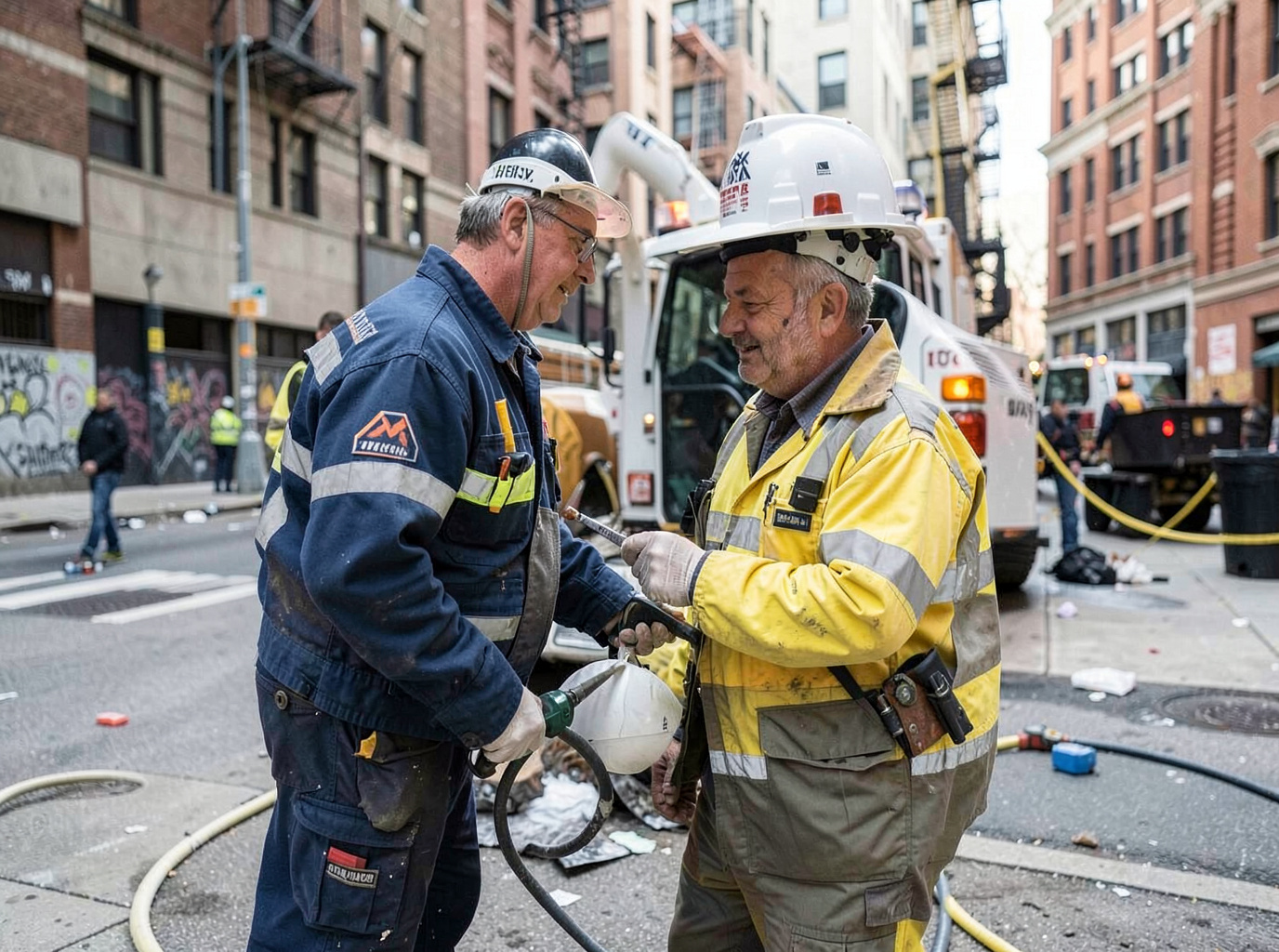
Chicago's humid continental climate brings freezing winters that burst pipes in older brick and frame homes throughout Lincoln Park, Wicker Park, and Logan Square. Plaster walls and narrow basements common in these Cook County neighborhoods trap moisture quickly, requiring targeted extraction before mold sets in. Crews must navigate tight access points and historic finishes that cannot be replaced without permits.
Summer storms dump heavy rain on low-lying blocks near the Chicago Riverwalk and in Bridgeport, overwhelming sump systems in South Loop and Pilsen row houses. Hot, humid air slows natural drying, so industrial dehumidifiers and air movers run longer than in drier climates. Technicians check for hidden water behind lath-and-plaster and under hardwood floors that sit directly on joists in many pre-war buildings.
Properties in Evanston and Oak Park often share sewer lines with Chicago, raising the risk of backup during peak rainfall. Restoration teams document every step for insurance adjusters because Cook County codes require specific drying logs before walls can be closed. Delaying extraction in these older structures almost always leads to secondary damage in joist pockets and under cabinets.
Emergency calls frequently originate from high-rises near Navy Pier and Millennium Park where rooftop leaks travel down multiple floors through concrete decks. Containment and negative air setups prevent cross-contamination to occupied units, and drying times extend because of limited ventilation in stacked construction.
Technician insight
In Chicago the thing that catches most people out with Emergency Water Damage Restoration is how quickly water travels behind plaster in pre-1940 homes during winter freezes. A small pipe burst in a Lincoln Park or Andersonville basement can saturate joist pockets you cannot see without opening the ceiling, and the cold air outside makes drying take twice as long as the charts say.
Winter Pipe Burst in Logan Square Two-Flat
A supply line froze and split on the second floor during a January cold snap. Water migrated down through plaster walls into the first-floor unit and basement. Extraction and cavity drying prevented mold growth in the joists; the owners returned to dry, code-compliant space within six days.
Emergency Water Damage Restoration Services We Offer
✓Burst Pipe Water Extraction
Immediate removal of standing water from frozen or corroded supply lines common in Chicago's older housing stock.
✓Flooded Basement Drying
Industrial drying of below-grade spaces in Wicker Park and Logan Square where clay soils and high water tables prolong moisture retention.
✓Sewage Backup Remediation
Safe cleanup and disinfection after combined sewer overflows that affect South Loop and Bridgeport properties during heavy rains.
✓Roof Leak Structural Drying
Targeted drying of ceilings and walls after storm damage near the Chicago Riverwalk and Grant Park high-rises.
✓Appliance Leak Containment
Rapid response to water heater or washing machine failures that spread through multi-unit buildings in Lakeview and Uptown.
✓Historic Home Moisture Mapping
Non-destructive detection in Lincoln Park and Hyde Park residences where original plaster and hardwood require careful handling.
Emergency Water Damage Restoration Cost in Chicago, IL
| Service | Typical Range | What Affects It |
|---|---|---|
| Category 1 Clean Water Extraction | $800–$2,200 | Depends on volume and number of rooms in older Chicago homes |
| Category 3 Sewage Remediation | $2,500–$5,500 | Higher in basements with limited access common in Wicker Park and Pilsen |
| Structural Drying Setup | $600–$1,800 | Varies with humidity from summer storms or winter pipe bursts |
| Daily Equipment Monitoring | $150–$350 | Per day, longer runs needed in humid continental climate |
Ranges are typical for Chicago, IL and confirmed with an exact written quote before any work starts.
How it works
- 1
On-Site Assessment
Technicians arrive from Elmhurst and inspect affected areas in the reported neighborhood, checking moisture levels in walls, floors, and cavities typical of Chicago construction.
- 2
Water Extraction
Standing water is removed using truck-mounted equipment suited for narrow Chicago alleys and basement access points.
- 3
Drying and Dehumidification
Air movers and dehumidifiers run continuously while monitoring humidity influenced by the city's hot summers and cold winters.
- 4
Final Verification
Moisture readings confirm dry conditions before any reconstruction, with documentation provided for Cook County insurance claims.
Pricing
Pricing varies by water volume, affected square footage, and whether sewage or hidden cavities are involved. Upfront quotes are provided after inspection.