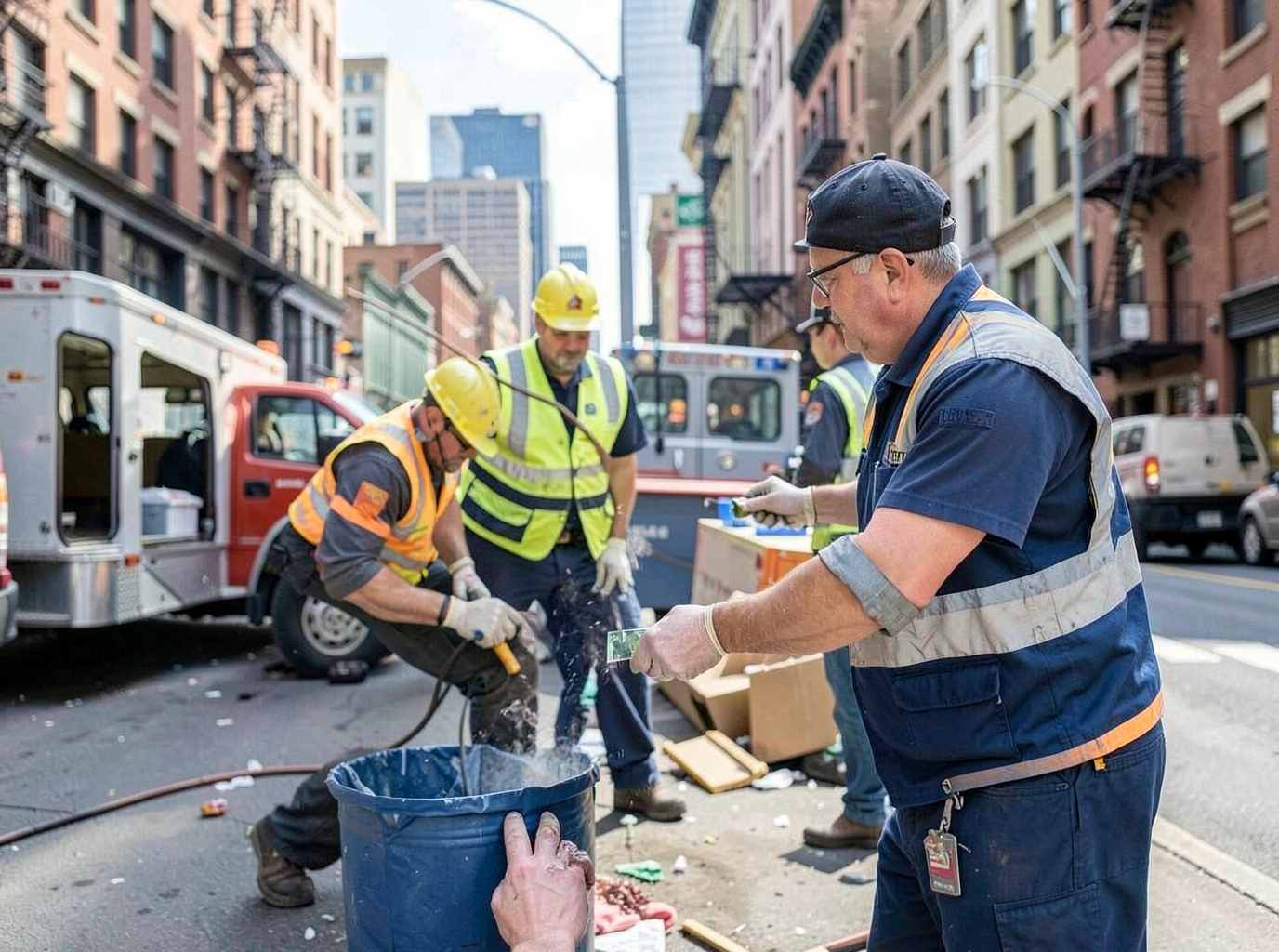
Chicago's older brick and frame homes in neighborhoods such as Logan Square, Bridgeport and Pilsen often feature plaster walls and lath that trap moisture after leaks, requiring targeted drying to prevent hidden mold growth behind surfaces. Winters bring freezing temperatures that burst pipes in unheated basements common in these pre-war structures, while humid continental summers produce heavy rains that overwhelm aging sewer lines near the Chicago River. Technicians must account for these seasonal shifts when planning extraction and dehumidification to avoid secondary damage in tight urban lots.
Work in areas like the West Loop and South Loop frequently involves commercial buildings with concrete subfloors and steel framing that hold water longer than residential wood construction, demanding moisture meters and infrared scans to locate saturation. Nearby Evanston and Oak Park homes share similar challenges with clay-heavy soil that slows drainage after flooding, extending drying times compared to sandier suburban ground. Crews coordinate with local codes on disposal of contaminated materials from Category 3 water events tied to combined sewer overflows.
Restoration in Lakeview, Uptown and Rogers Park row houses requires careful handling of shared walls to prevent migration of moisture into adjacent units, often involving temporary barriers and neighbor notifications. Hot summers increase the risk of HVAC condensate failures in these densely packed blocks, while cold snaps stress older galvanized plumbing throughout Cook County. Proper sequencing of removal, drying and reconstruction keeps projects on track despite variable weather windows.
Technician insight
In Chicago the thing that catches most people out with water damage restoration is how quickly moisture travels through the lath and plaster in pre-1950 homes around Lincoln Park and Andersonville; one frozen pipe in the attic can saturate an entire party wall before anyone notices, and the clay soil in Cook County keeps the ground wet long after the rain stops so drying takes extra days compared to newer suburbs.
Winter Pipe Burst in Logan Square
A homeowner in a 1920s two-flat noticed water stains on the first-floor ceiling after a January freeze. Inspection showed saturation in plaster and joists running into the neighboring unit. Crews extracted water, placed drying equipment across both units, and monitored readings until levels returned to normal before replacing damaged sections.
Water Damage Restoration Service Services We Offer
✓Burst Pipe Restoration
Rapid extraction and drying after frozen or corroded pipes fail in Chicago's older homes during winter cold snaps.
✓Flood Damage Cleanup
Removal of standing water and silt from basement flooding common near the Chicago River and low-lying blocks in Pilsen and Bridgeport.
✓Sewage Backup Remediation
Safe cleanup and disinfection following combined sewer overflows that affect South Loop and West Loop properties after heavy summer storms.
✓Ceiling and Wall Drying
Targeted moisture removal from plaster and drywall in multi-unit buildings throughout Lincoln Park and Wicker Park to stop hidden mold.
✓Basement Water Extraction
Pumping and drying of groundwater intrusion in Hyde Park and Logan Square homes where clay soil holds water against foundations.
Water Damage Restoration Service Cost in Chicago, IL
| Service | Typical Range | What Affects It |
|---|---|---|
| Initial Assessment | $150–$350 | Varies by property size and number of affected rooms in multi-unit buildings |
| Water Extraction | $800–$2,500 | Depends on volume, category of water and access in older Chicago basements |
| Drying Equipment Rental | $400–$1,200 | Daily rates scale with square footage and duration needed for plaster walls |
| Full Restoration Package | $3,000–$8,000 | Includes removal, drying and basic reconstruction in typical single-family homes |
Ranges are typical for Chicago, IL and confirmed with an exact written quote before any work starts.
How it works
- 1
On-Site Assessment
Technicians arrive from Elmhurst and inspect affected areas in the reported Chicago neighborhood using moisture meters and thermal imaging.
- 2
Water Removal
Extraction equipment pulls standing water while protecting shared walls in row houses and preventing spread to neighboring units.
- 3
Drying And Monitoring
Air movers and dehumidifiers run with daily checks to confirm moisture levels drop in plaster, concrete and wood elements.
- 4
Sanitization And Reconstruction
Affected materials are treated or replaced, followed by final verification before returning the space to normal use.
Pricing
Upfront quotes provided after inspection, with final cost based on scope and materials affected.