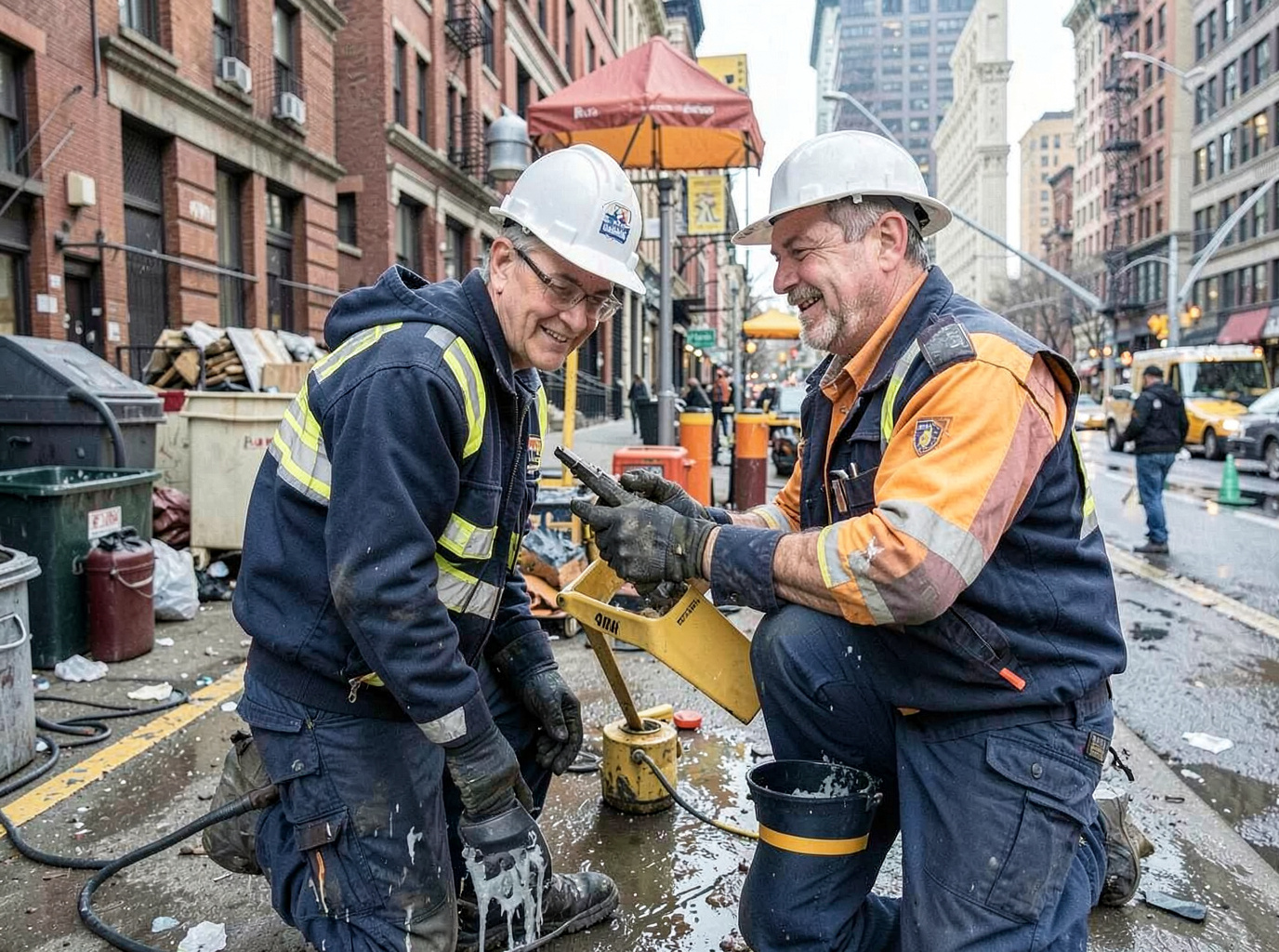
Chicago's humid continental climate brings cold winters that freeze pipes in pre-war brick buildings common in Lincoln Park, Wicker Park and Logan Square. Water expands in uninsulated walls and crawl spaces, saturating plaster and lathe that hold moisture longer than modern drywall. Restoration crews must remove baseboards carefully to avoid damaging original trim while placing drying equipment around knob-and-tube wiring that still exists in many Hyde Park and Bridgeport homes.
Summer thunderstorms drop heavy rain on flat roofs and low-lying blocks near the Chicago Riverwalk and South Loop. Water enters through parapet walls and travels along joists into finished basements. Extraction teams use submersible pumps on concrete slabs that sit close to the water table, then apply antimicrobial treatments to prevent mold in the humid air that follows.
Older homes in Andersonville and Uptown often have balloon framing that lets water travel vertically between floors. Technicians cut inspection holes at multiple levels and use moisture meters to map hidden saturation before any drying begins. This prevents callbacks when residual moisture later damages hardwood floors refinished after the initial event.
Properties near Navy Pier and Grant Park face wind-driven rain that forces water under window sills and into masonry. Restoration includes documenting every affected room for insurance adjusters who visit from downtown offices, then coordinating with Elmhurst-based crews for equipment swaps on jobs that run past the Saturday 2pm cutoff.
Technician insight
In Chicago the thing that catches most people out with water damage restoration is how quickly water travels up balloon framing in pre-war homes around Logan Square and Wicker Park; one floor leak can saturate two stories before anyone notices.
Lincoln Park Frozen Pipe Leak
A burst pipe in a Lincoln Park two-flat sent water down interior walls during a January freeze. Crews found saturation behind plaster on both floors and along the party wall shared with the neighboring unit. Extraction and targeted drying prevented mold while preserving original trim. The homeowner returned to dry, documented rooms within five days.
Water Damage Restoration Services We Offer
✓Burst Pipe Water Extraction
Rapid removal of standing water from frozen or corroded pipes common in Chicago's older brick homes, followed by drying of plaster walls in neighborhoods like Logan Square.
✓Basement Flood Cleanup
Pump-out and moisture mapping for storm or sewer backups that affect concrete slabs in low-lying blocks of the South Loop and Pilsen.
✓Ceiling and Wall Drying
Targeted drying of water that travels through balloon framing in pre-war buildings throughout Lakeview and Uptown.
✓Mold Prevention After Water Damage
Antimicrobial application and dehumidification to stop growth in humid Chicago summers after leaks in Andersonville and Rogers Park homes.
✓Hardwood Floor Restoration
Salvage and drying of original flooring damaged by leaks near the Chicago Riverwalk and Millennium Park area buildings.
Water Damage Restoration Cost in Chicago, IL
| Service | Typical Range | What Affects It |
|---|---|---|
| Emergency water extraction | $600–$1,800 | Volume and number of floors affect total in older multi-story homes |
| Full structural drying package | $1,200–$3,500 | Length of run time and access to balloon-framed walls |
| Basement flood cleanup | $800–$2,400 | Sewer backup versus clean water and slab access |
| Post-job moisture verification | $150–$300 | Required for insurance documentation |
Ranges are typical for Chicago, IL and confirmed with an exact written quote before any work starts.
How it works
- 1
On-Site Assessment
Technicians arrive from the Elmhurst location and document moisture levels room by room in the affected Chicago property.
- 2
Water Removal
Submersible pumps and extraction wands pull standing water from basements and crawl spaces before hidden pockets remain.
- 3
Structural Drying
Air movers and dehumidifiers run continuously while moisture readings are tracked daily until drywall and plaster reach safe levels.
- 4
Final Documentation
Photos and meter logs are prepared for insurance and the homeowner receives a written summary before equipment is removed.
Pricing
Upfront quotes provided after the initial assessment at your Chicago property.